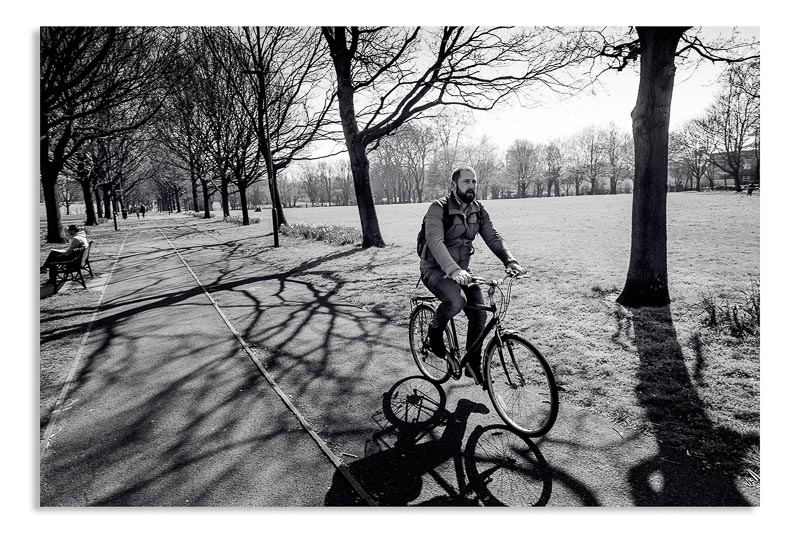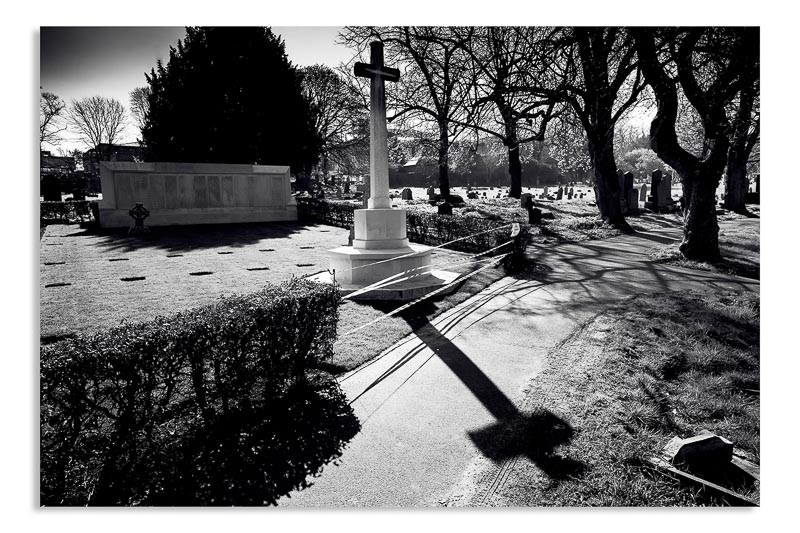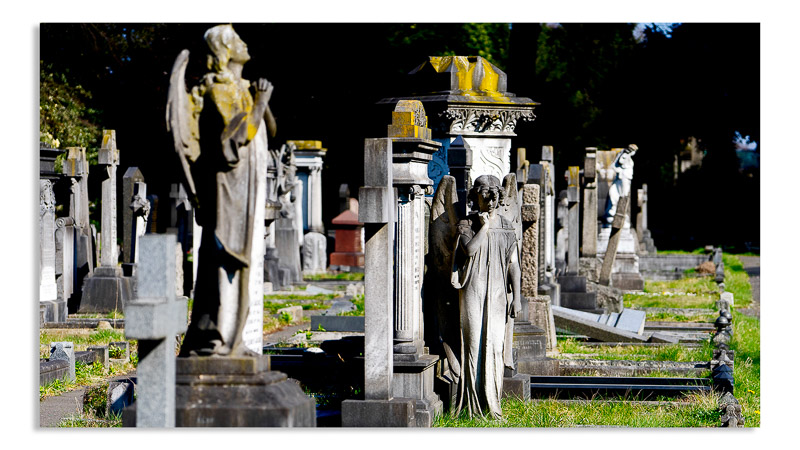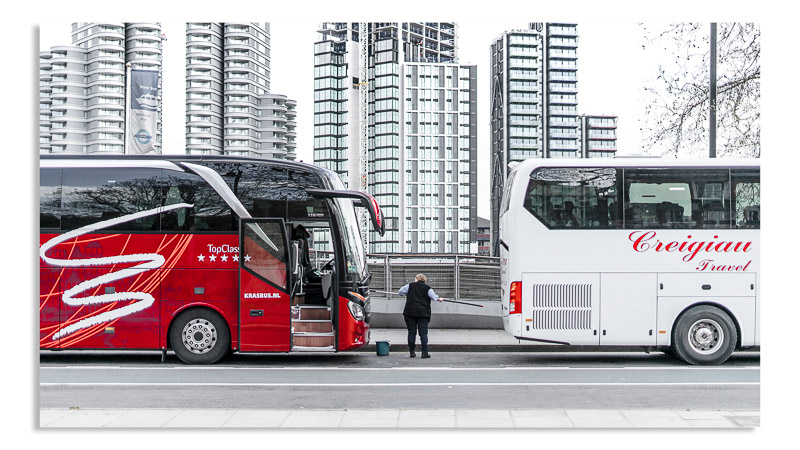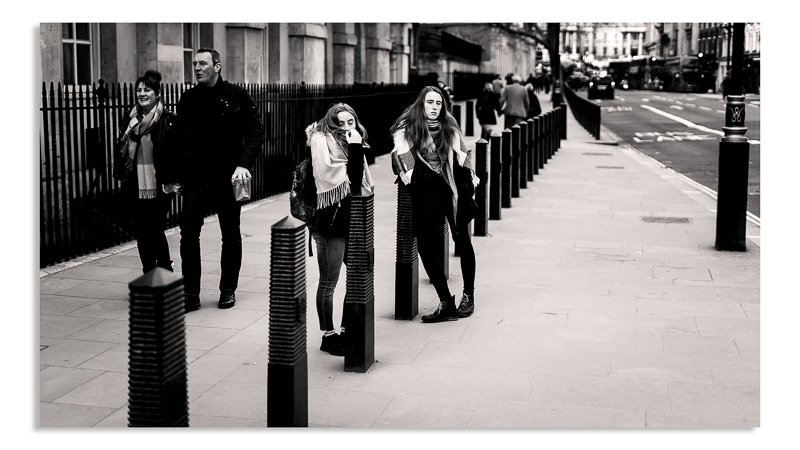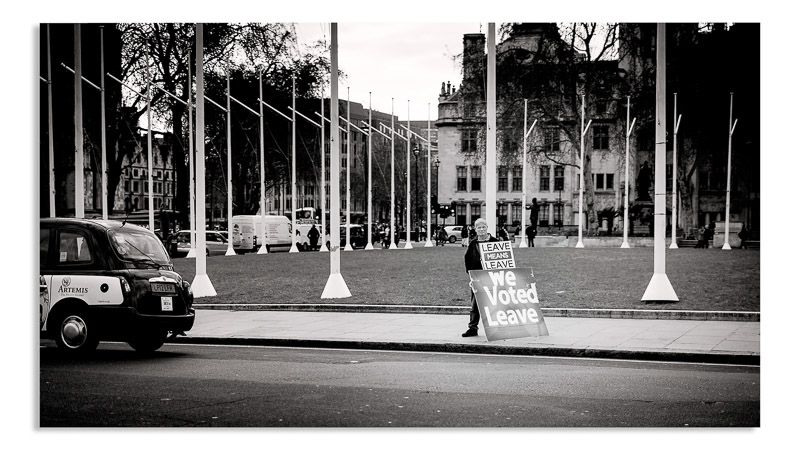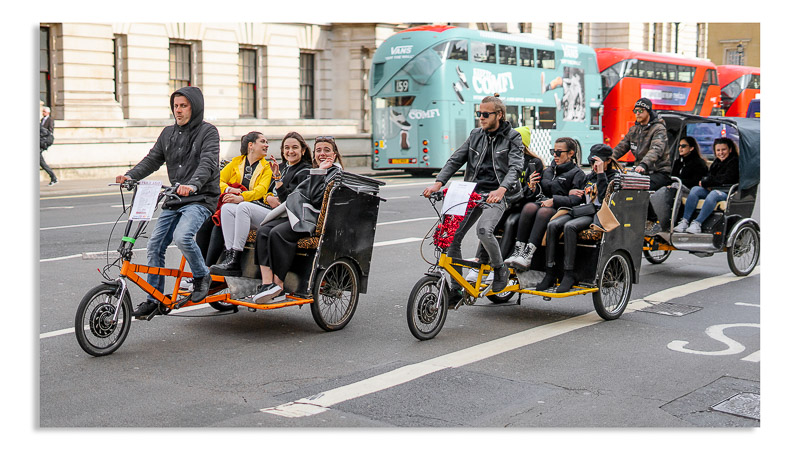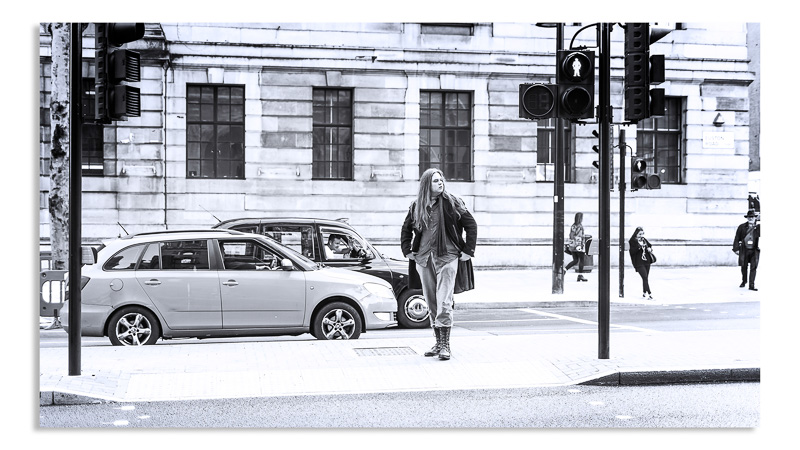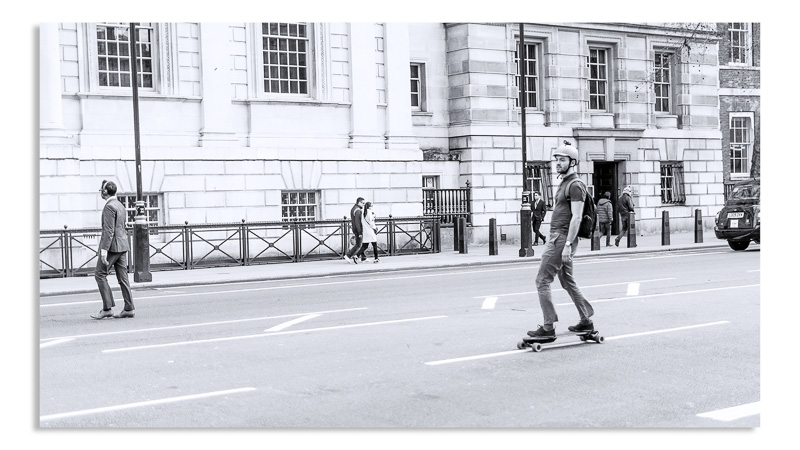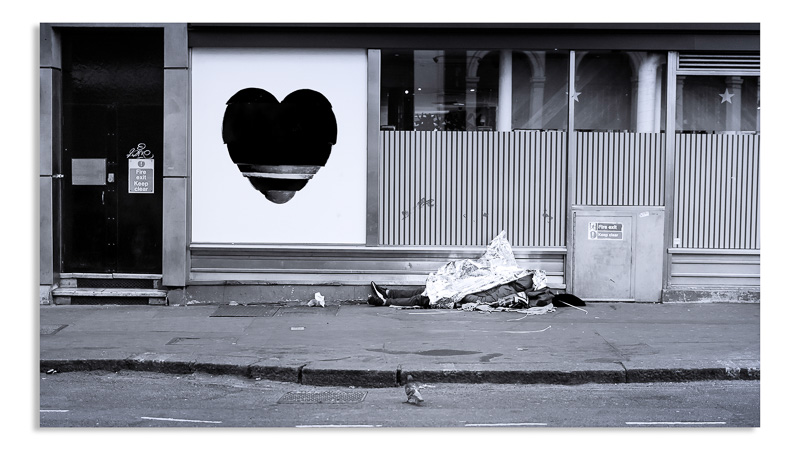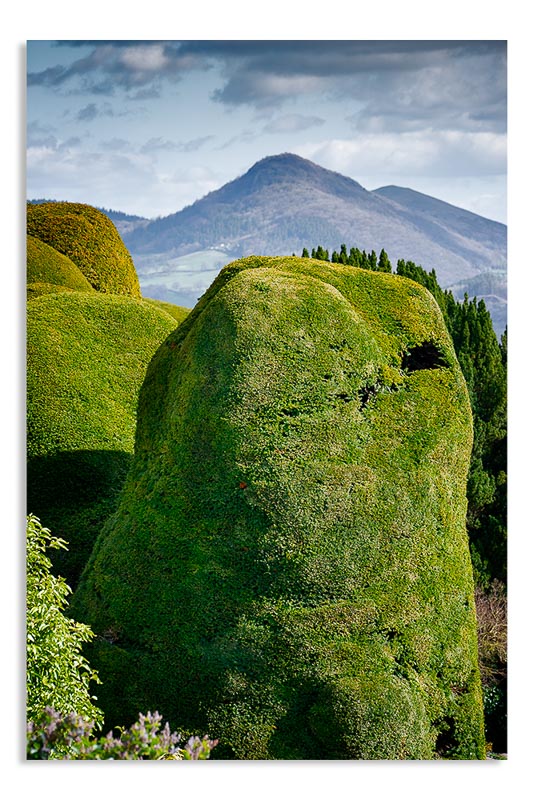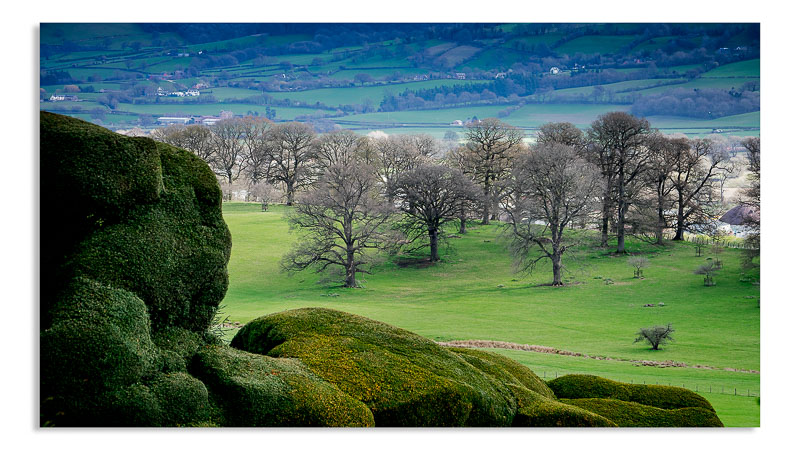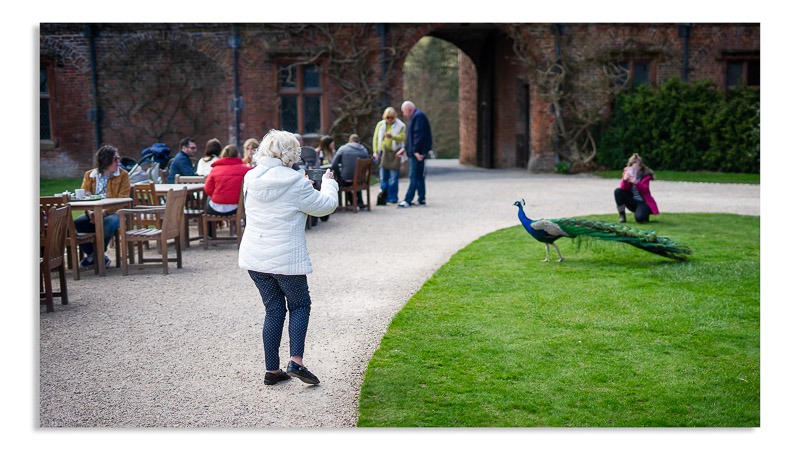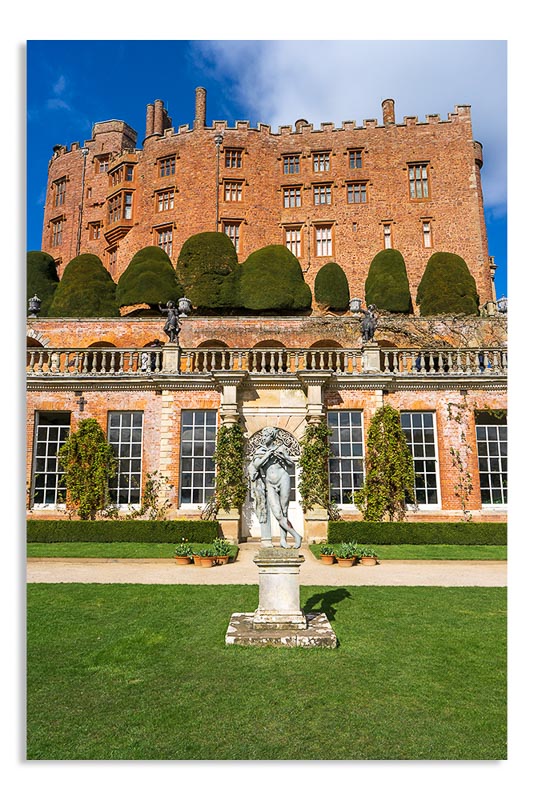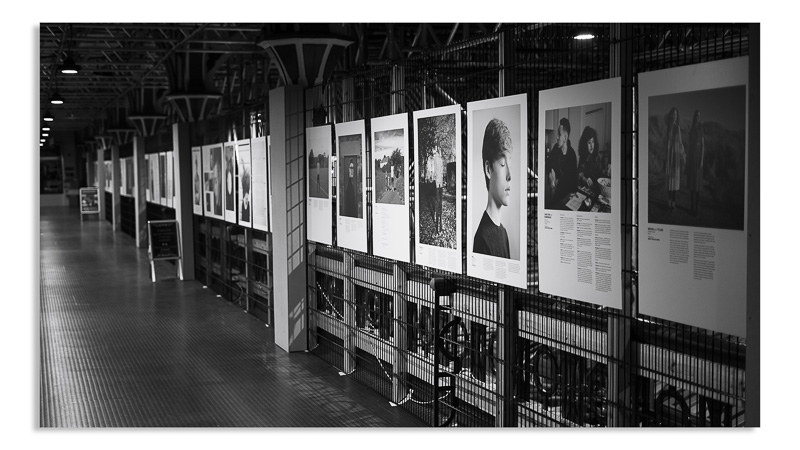
It is very easy in these days of total confusion about WTF is happening in Westminster to forget that life goes on. Perhaps the most surprising thing so far is just how little the nonsense is affecting life outside the bubble. Should we crash out with no deal then that will undoubtedly change (you can choose whether that will be for the better worse. regular readers of this blog will know my views.) With just two weeks, yes only two weeks, to go before we leave the European Union things still feel very very normal.
What can be said that hasn’t already been said? We are now stuck in the netherworld of WTF is going on? The political class of all shades have completely mishandled Brexit from top to bottom. We are in the situation whereby playing party games is much much more fun than actually trying to put the country’s needs first. Well shame on all your houses.
I really didn’t think it would come to this but I think the only way out is another referendum. Before we get deafened by the Brexiteers crying foul, something they love to do all the time without coming up with one workable solution for little things like the Republic of Ireland/UK border question, I cannot see the way forward. Perhaps the only good thing about this whole nonsense is that as I travel the country there doesn’t appear to be the slightest sign of people not going about their normal business. Whether this is a good sign or bad sign I’ll let you decide.
I like most of my fellow citizens have given up trying to work out what stupid games are being played in the Palace of Westminster. Today we are supposed to have a meaningful vote. Why this is more meaningful than the last one is anyone’s guess? Last night we had the Prime MInister rushing to Strasbourg to…well I’m not sure what was achieved.
So if this meaningful vote fails then tomorrow we are going to have another meaningful vote on whether the House of Commons is willing to allow Great Britain leave the European Union without a withdrawal agreement. Failing that there is a third vote scheduled for the day after tomorrow to see if the House of Commons wants to ask for an extension. I haven’t the first clue if this vote will be taken if the House of Commons votes to leave without a deal – which by the way is the current legal position.
So just over 2 weeks to go and we still don’t have the first clue what is happening. Neither does the EU which seems to be quite sanguine about everything. If I was in their position I wouldn’t be because anything could happen and in truth the EU fears this whole process as much as the British Government does. But seeing as truth seems to have been the one thing absent from the whole Brexit process I vote for Unicorns. No wait this is…a meaningful vote?
Yesterday I visited the small Northamptonshire village of Lilbourne. As I was walking around the fields to the east of Lilbourne I was struck by how it could be seen as an example of so many of the issues tied up with the EU referendum and the subsequent article 50 negotiations. The Daventry constituency, of which Lilbourne is a member, voted to leave the EU by almost 60% and yet a large number of jobs in the area are tied up with supporting the biggest transportation and distribution infrastructure in the country through which much of the trade with the European Union passes.
Lilbourne has two major medieval transportation routes passing through the parish. The Watling Street runs to the south west and has been a major route since the Romans. What is less known is that Lilbourne formed part of an equally important medieval route between Oxford and the north of England. (Not one but two Motte and Bailey castles controlled the crossing of the River Avon at Lilbourne.) Today the village is isolated by the passing M1 and is just south of the massive Junction 19 where the M1 and M6 meet. This in turn forms one of the corners of the massive distribution system based around the triangle of the junctions of M1/M6, M6/M42 and M1/A42. It is claimed that a lorry can deliver anything within 4 hours to around 90% of the population of Britain from this triangle.
The third issue is one of the border. The Watling Street forms the border between Northamptonshire and Warwickshire. Lilbourne, with its two Motte and Bailey castles, sits above on the southern bank of the River Avon (The same river than 20+ miles to the south west runs through Stratford upon Avon.) This forms the boundary between Leicestershire and Northamptonshire which is little more than sign on the side of the M1 for most people which is similar to junction 20 of the N1/A1 on the island of Ireland. Of course should things go wrong in parliament/Brussels over the next three weeks then this will no long be a pub quiz question in Ireland but rather the border between the United Kingdom of Great Britain and Northern Ireland and the European Union – so somewhere on this junction there will need to be two customs posts – one for the traffic coming off of the N1 and one for traffic using the B113 and the L7092 (They are the same road but the border crosses the road.)
One final thing is that to the east of the village is a huge array of wind turbines which of course are part of Britain’s effort to reduce its carbon footprint and meet the European Union requirements. What will happen to those after March 29th?
Beyond the sanity of the world outside Westminster everything appears to be disappearing up its own backside. The Prime Minister is going to lose this vote or that and we’ll then be doing this or perhaps that. You wouldn’t run the simplest store on a local market like that let alone a country that is supposed to be one of the leading countries on the planet.
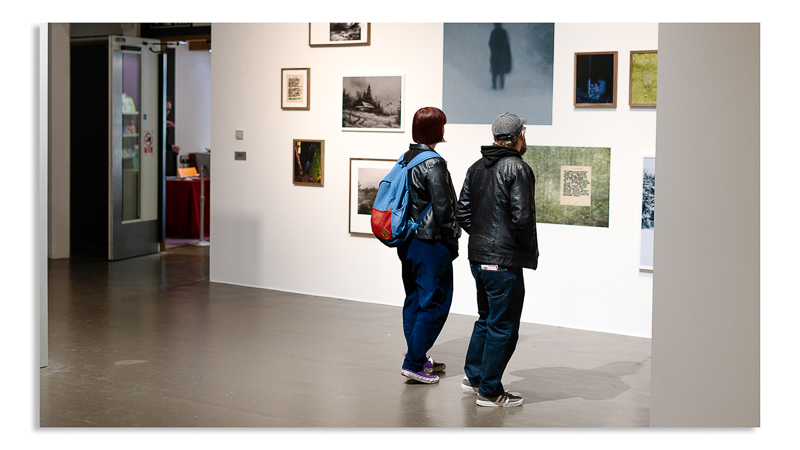
Today was the first day in the heartland of Brexit britain – Wakefield – 66% in favour of leaving the European Union. Guess what none of the people appeared to have horns or tails. The reason for the visit was to experience/view the latest exhibition at the Hepworth. It didn’t disappoint as the main temporary exhibitions – Magdalene Odundo: The Journey of Things and Modern Nature: British Photographs from the Hyman Collection were first rate. I’m afraid I’m never really any good at explaining why an exhibition is worth a visit and if you wish to get a much more cultured appraisal then take a trip over to my good friend David Manley’s blog. (However he is rather busy at the moment so it might be some time before he posts a review)
Perhaps the most surprising piece on display was a series of small prints by John Blakemore. If you know his work then you would expect brilliantly chosen subjects meticulously printed – these prints met neither of those standards and were startling because of that – perhaps the Hyman collection didn’t have better examples of Blakemore’s work at hand?
What any of this has to do with Brexit is another matter. Perhaps the one lesson to take away from today is that for such an important decision about the nation’s future coming up in the next week or so the good people of Wakefield seemed to be very relaxed.
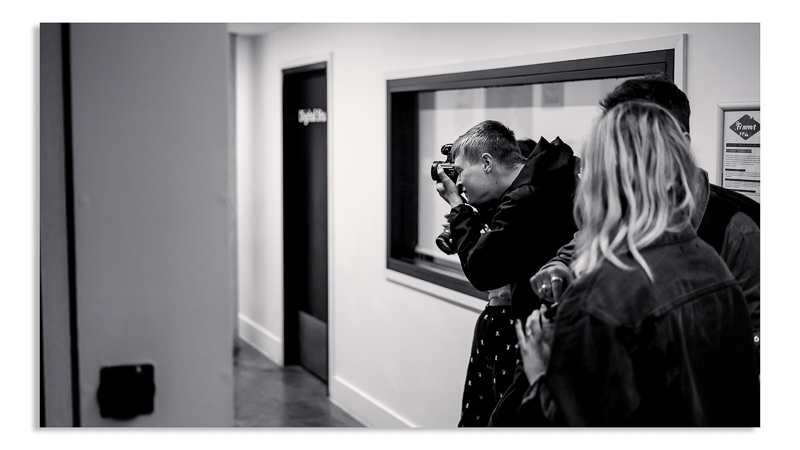
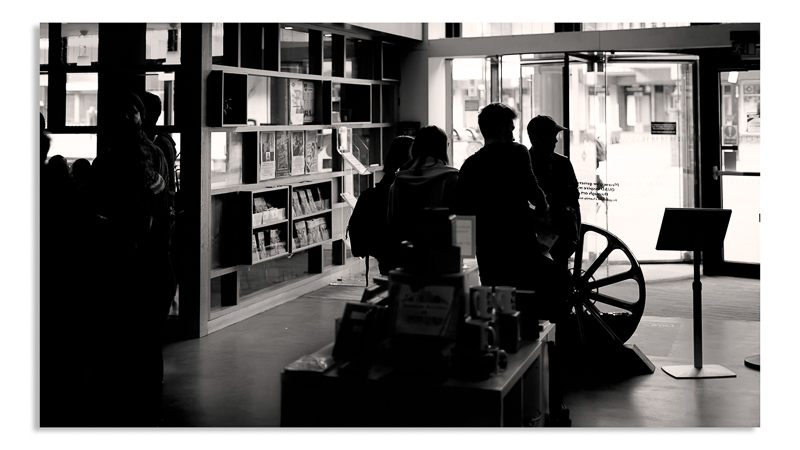
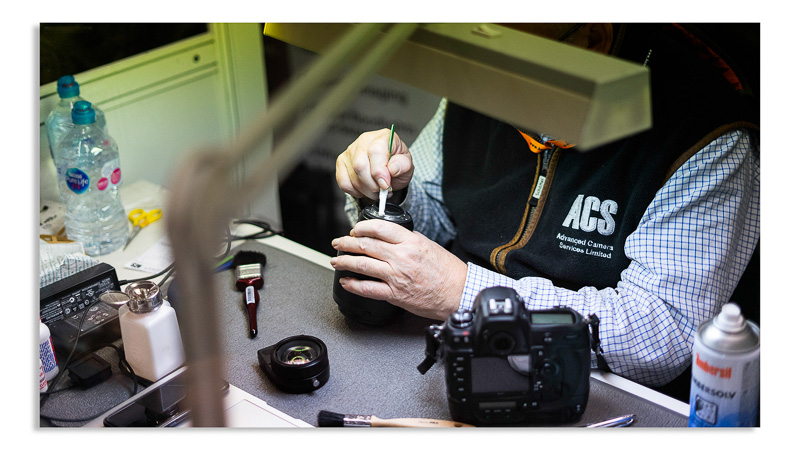
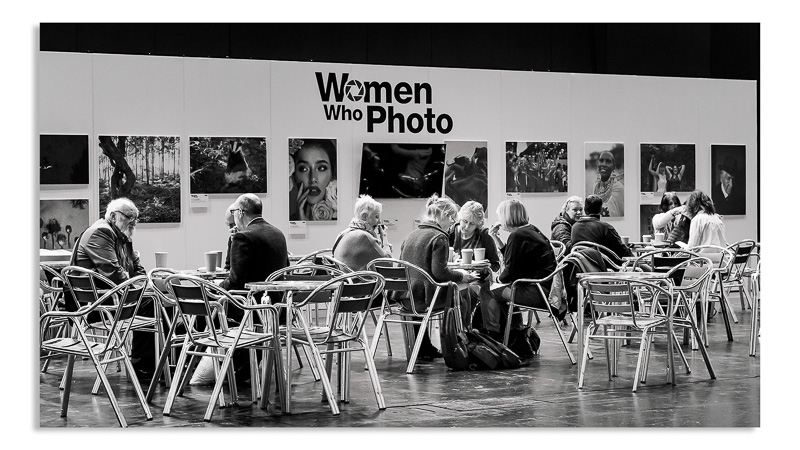
I am a born worrier. If I have a problem I can’t put it down or stop worrying about it. Over the years for many interconnected reasons I worry even more than I did in the past. This does have a positive aspect in that once I have a problem I will work at it to try and find a solution. My photographic experience in Birmingham yesterday is such a problem and I have not been able to stop thinking about the it.
For those of you who are not aware the problem is that I am using a combination of old Canon FD lenses on a reasonably modern mirrorless camera. If you put aside the exposure issues for one moment the main problem is focus i.e the lenses are manual focus with a small EVF. The way around this is that you use focus peaking effect to show you which part of the image is in focus and here is the core of the problem. The peaking doesn’t correspond to what is and what is not in focus with the lenses. I spent a good part of yesterday trying to really narrow this problem down and came to the unfortunate conclusion that it is probably a combination of not very sharp lenses, a cheap adaptor and undoubtedly a dollop of user error. Whatever the reason I could not trust on the peaking to tell me which part of the image was in focus and so the technology was getting in the way of creating the images I wanted to.
This doesn’t mean that I wasn’t able to capture some interesting images – far from it. In fact I am really pleased with the result I obtained (you may not agree which is fine). It can also be argued that a competent photographer is capable of shooting around a problem with his/her equipment. This is true and hopefully that is what I was able to do yesterday. However, if there is a systemic problem rather than a one off equipment failure then that systemic failure needs to be addressed. The goal should be an image produced because of rather than despite the equipment used. Equally, photography should be a discussion of the image rather than the technology. A counter argument could be that photographers of the past managed to create brilliant images with much cruder equipment than is available today. Again very true but they usual had access to the best technology available at the time (however that might be defined) to help them make the images they wanted.
In short the experiment with the Canon FD lenses hasn’t worked they way I wanted it to and I going to have to accept that and move on. I may be a worrier but once I have found a solution I move on to worrying about how I am going to pay for the solution!
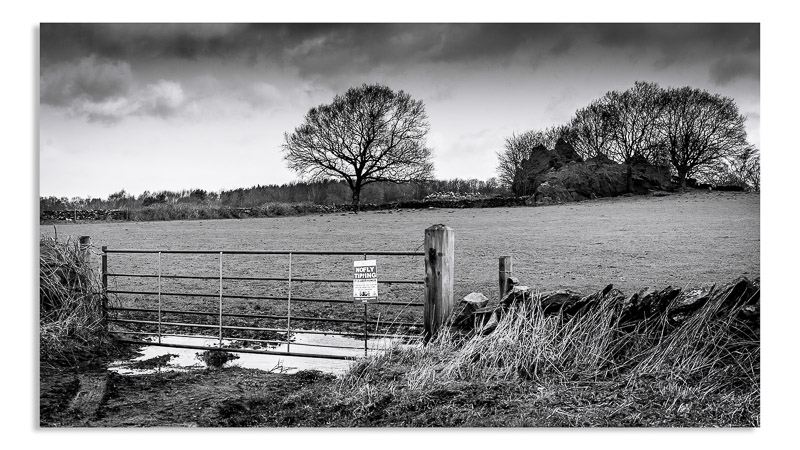
The idea of Brexit Britain was to visit a number of places during March 2019 and capture what I found there. The images were to be a random collection with no underlying message. This was how I found Britain in the momentous month when possibly, maybe, perhaps the British parliament and Government might come to some form of a decision regarding the withdrawal agreement between Britain and the European Union.
That was the plan as I started this journey in the city of Birmingham. However, my camera gear, the Canon FD lenses and the A6000, let me down badly. I just couldn’t make the damn lens focus. Sometime they would focus then the next shot they wouldn’t. This meant that many images that might have made the cut were discarded because they weren’t in focus. I spent a foodly part of the session just trying to find out when the lenses were in focus. In short the session became about the gear not the images which is just wrong. The only good thing I can draw from this is that it is a very good metaphor for the whole Brexit progress – one moment it is in focus the next it isn’t and you can never be quite sure why that is!
I have a solution to the problem but it does mean abandoning the Canon FD lenses and possibly my A6000. Just wish finding a solution to the Brexit conundrum was so simple.
It is an accepted aspect of life that the English are some of the worst linguist. Whether this is true or not is not the point here. We English have a reputation. It is especially true when compared to the linguistic skills of the Dutch or Scandinavian countries. They just seem to be able to master several languages when we English only master one. Of course we believe that as english is the lingua franca of the world most people have a grasp of the english language to enable us to get by when we venture out into the world.
This, of course, means that we have missed one vital fact. Whilst the language we use is english it isn’t the language that most of the world is talking to one another in. To them the english they talk to one another is not the Queen’s english but coloquial and sometimes misunderstood by we English. We have this problem when trying to use English english in America where, of course, they use American english. At times it can become similar to the imperial/metric problem – they both describe the same thing but there are differences that if not clarified can cause a satellite to crash into Mars.
I had a similar experience when watching a video by Jamie Windsor today.
Here he expresses his views on how to become a better photographer. On the whole his points are well made but one was to question whether you should be proud of your older images? He was arguing that to become a better photographer you must progress, try new things and challenge whether photographs you made three years ago are as good as you you thought they were at the time “…but if in three years time you’re still really proud of those images you’re probably not doing something right…” (6:30 into video).
Initially my reaction is that this is nonsense. A good photograph, however you judge it, is a good photograph no matter when you captured the image. Equally, in our digital world post production is so much more where the magic of photography lies than in the past and an image captured three years ago can and probably will look different if you post produced it today compared to three years ago. Then it struck me. I am not the audience he is trying to address but rather a younger audience where ten years ago is almost a lifetime (Instagram is less than 9 years old for example) which is very much the same as the English as a Second Language problem. I am now old compared to most photographers; my experiences are very different to theirs and I need to understand that.
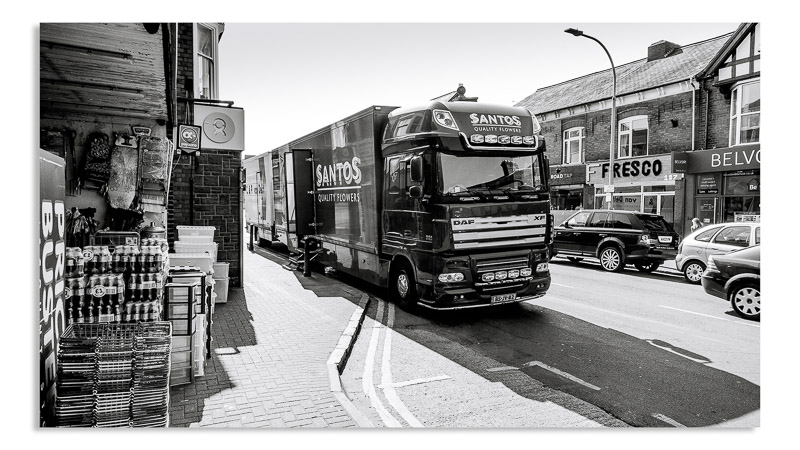
To illustrate this point the three images on this blog were captured in the 1970’s and have been post produced in the last few years (the last two today) and reflect my formative period. They all have technical problems associated with them but nonetheless I feel they work for me. Whether they work for you is another matter because you bring a whole different set of preconceived ideas to viewing the images and I accept that. What I have to come to terms with to most of the people who might view this post 3 years is a long time and 40 years is, well, more than a lifetime.